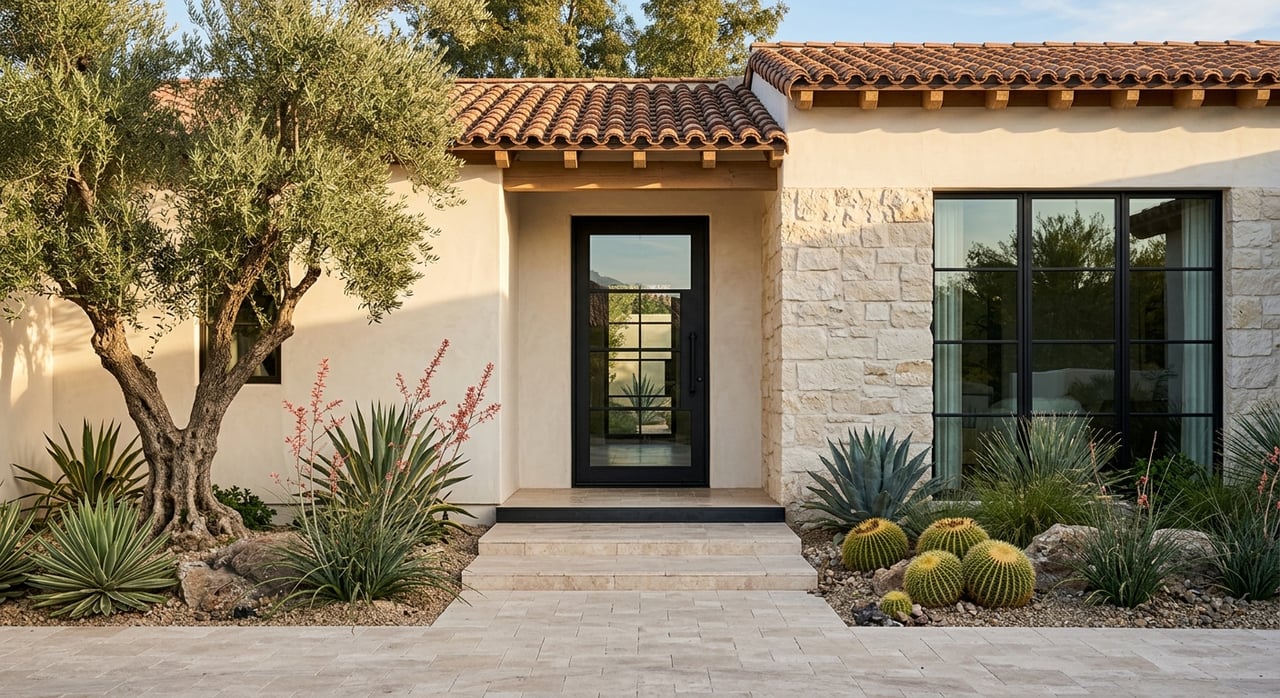
If you are shopping in Paradise Valley, one of the first decisions is not just which home to buy. It is whether you want a finished new-construction estate, an older property with rebuild potential, or a remodeled classic that may or may not support your long-term vision. In a market where lot quality, zoning, and project feasibility often matter as much as the house itself, that choice can shape your budget, timeline, and lifestyle for years. Let’s dive in.
Why Paradise Valley Is Different
Paradise Valley is not a typical growth market. According to the Town’s 2022 General Plan, it is largely built out, with low- and very-low-density residential land uses making up more than 70% of the planning area. Because the town is landlocked and has limited undeveloped land, much of its change comes through infill and redevelopment rather than large new subdivisions.
That matters because buying here often means evaluating what a property could become, not just what it is today. You are often looking at estate lots, older homes, teardown candidates, and highly tailored new builds rather than broad, interchangeable inventory.
The price point also reinforces that difference. In April 2026, Paradise Valley had 372 homes for sale and a median sold price of $4,797,500, while Scottsdale had 3,947 homes for sale and a median sold price of $950,000. In practical terms, Paradise Valley usually rewards buyers who focus on lot potential, design constraints, and long-term plans.
New Construction vs Rebuild Basics
When buyers compare options in Paradise Valley, the choice usually falls into three paths. Each one can work well, but each comes with a different level of control, risk, and speed.
Buying a New Spec Estate
A newer spec estate is usually the most turnkey option. It can be the best fit if you want modern systems, a current floor plan, and the ability to move in sooner without managing a lengthy design and construction process.
The tradeoff is control. You may love the finish quality but wish the home sat differently on the lot, had a different outdoor program, or reflected another architectural style. In Paradise Valley, a newer home can reduce the number of moving parts, but it does not erase town review or possible HOA requirements.
Buying a Lot for a Custom Build
A custom build gives you the most control over the final product. If your priorities include a specific view corridor, privacy plan, indoor-outdoor flow, or a tailored architectural look, this path can be the strongest match.
It is also the most complex option. Land selection, demolition, planning review, engineering, HOA approval where applicable, and construction timing all need to line up. On the right parcel, the payoff can be exceptional, but the path is rarely simple.
Buying a Remodeled Classic
A remodeled classic can offer a compelling middle ground. In some cases, the lot, street presence, and mature landscaping already deliver much of the value, and you may avoid the full timeline of a ground-up project.
The caution is that not every older home can be expanded as easily as buyers expect. Paradise Valley’s interpretation for nonconforming structures notes that if the affected roof area or exterior wall area of a nonconforming portion exceeds 50%, that portion may need to meet setback requirements. That can change the cost and feasibility of turning an older home into something close to new construction.
Where Rebuild Activity Shows Up
Many rebuild decisions in Paradise Valley center on older, larger-lot subdivisions. The Town’s HOA map highlights enclaves such as Camelback Country Club Estates, Cheney Estates, La Place du Sommet, Finisterre, Judson Estates North, Mockingbird Court, Paradise Hills, and several Camelback Country Estates sections.
Current listing activity also shows teardown interest in areas like Clearwater Hills, Sunset Hills, Chaparral Estates, Braecrest, Franciscan Terrace, and Sunburst Farms Hallcraft. That is best viewed as a snapshot of visible listing activity, not a complete survey of the town, but it gives buyers a sense of where redevelopment conversations are active.
What ties many of these areas together is lot size and age of housing stock. In Paradise Valley, older homes on substantial parcels often attract attention not just for what they are, but for what they may support in the future.
Flat Lots and Hillside Lots Are Not the Same
One of the most important questions you can ask before making an offer is whether a property is flatland or hillside. That distinction can change the approval path, engineering needs, and overall project risk.
What to Know About Flatland Lots
On flatland projects, the Town’s residential submittal checklist requires site plans to show items such as setbacks, easements, washes, FAR, accessory-structure separation, fence details, and exterior lighting compliance. The checklist also states that view fences must be at least 70% open.
These details may sound technical, but they affect real design choices. A lot that looks generous on paper may still have practical constraints once setbacks, height limits, and site elements are applied.
What to Know About Hillside Lots
Hillside parcels are a different category. The Town’s Hillside Building Committee reviews land disturbance, height, lighting, building materials, grading, drainage, and related project elements for new homes, remodels, additions, pools, solar, and accessory structures.
That means a view lot can be incredibly appealing, but it usually comes with more review steps and more engineering risk than a flat lot. If you are considering a hillside teardown or new build, the lot’s beauty should always be weighed alongside approval complexity.
Hillside demolition is also more controlled. The Town’s policy says that clearing, grubbing, grading, bulldozing, blasting, or earth movement cannot begin until the Town and the appropriate permits approve the work. The Town may also require financial assurance, right-of-entry, and restoration planning, and approvals can lapse if a project is abandoned for more than six months.
The Rules That Shape Design
In Paradise Valley, zoning is not a side issue. It is central to what you can build and how the final home will sit on the site.
The Town’s district table sets minimum lot sizes such as 43,560 square feet for R-43 and 175,000 square feet for R-175. Primary building height is capped at 24 feet for lots under 3 acres, 26 feet for lots between 3 and 4 acres, and 30 feet for lots 4 acres or larger.
There is another important layer. On non-hillside R-43 and R-175 lots, an additional height plane tied to the 20-foot setback line can materially affect massing and rooflines. In simple terms, two lots with similar dimensions may not support the same house form.
If your strategy involves a lot split, parcel adjustment, or zoning relief, the Town requires a Planning pre-application. For buyers, that means some land strategies need to be vetted early rather than assumed after closing.
HOA Review Can Matter More Than Buyers Expect
Town approval is only part of the picture. Paradise Valley also requires permit applicants to acknowledge that subdivision CC&Rs may govern items the Town itself does not regulate.
In other words, a project may work from the Town’s point of view and still face private subdivision requirements. That is why HOA or architectural review should be checked early, especially in older estate neighborhoods where design controls may still shape what is allowed.
How to Decide Which Path Fits You
The right choice usually comes down to your priorities. Paradise Valley is rarely a market where one answer fits every buyer.
Choose New Construction If You Value Speed
If you want a finished home with modern systems and fewer unknowns, a spec estate is often the simplest path. You trade some customization for greater convenience and a more predictable move-in plan.
This option can work especially well if you are relocating, want immediate use of the property, or prefer to avoid the moving parts of design and construction. It is often the cleanest way to enjoy the Paradise Valley lifestyle without taking on a project.
Choose a Rebuild If the Lot Is the Prize
If the lot, orientation, or view is your top priority, buying for teardown or major redevelopment may make sense. This path is usually best when you have a clear vision and understand that the lot itself is a major part of the value.
In Paradise Valley, estate quality often starts with land. A strong parcel can support a long-term result that is hard to replicate, but only if the zoning, approvals, and engineering align with your goals.
Choose a Remodeled Classic If You Want Character
If you appreciate mature landscaping, an established street, and the feel of an older Paradise Valley setting, a remodeled classic may offer the right blend of charm and functionality. It can also reduce the timeline compared with a full custom build.
Just make sure you verify what can legally be changed. In this market, a beautiful older home is not always a simple canvas for expansion.
Questions to Ask Before You Write an Offer
Before you move forward on a new construction purchase or rebuild candidate, ask these questions:
- Is the property hillside or flatland, and how does that affect review and engineering?
- Does the subdivision have HOA or ARC requirements that could shape the design?
- Is the existing house conforming, or could remodel plans trigger setback issues?
- Does the lot support your intended house size once FAR, setbacks, height, and other constraints are applied?
- If demolition is part of the plan, how will permit timing affect your overall budget and schedule?
These are not small details in Paradise Valley. They are often the difference between a smooth purchase and a costly surprise.
A Smarter Way to Buy in Paradise Valley
In Paradise Valley, the best purchase is not always the newest home or the largest lot. It is the property that matches your timeline, your design goals, and the rules that apply to that specific parcel.
That is why disciplined due diligence matters so much here. Whether you are comparing a finished spec estate, a rebuild opportunity, or a remodeled classic, the smartest move is to evaluate the lot, the approval path, and the long-term fit before you fall in love with the photos.
If you are weighing new construction against a rebuild in Paradise Valley, working with a local team that understands lot potential, neighborhood context, and transaction complexity can make the process much clearer. To talk through your options, connect with Billie Drury.
FAQs
What makes Paradise Valley different from Scottsdale for luxury buyers?
- Paradise Valley is a built-out, low-density redevelopment market with far fewer listings and a much higher median sold price than Scottsdale, so buyers often need to focus more on lot potential, design constraints, and long-term plans.
What should Paradise Valley buyers know about hillside lots?
- Hillside lots can offer exceptional views, but they usually involve more review, engineering, and demolition controls than flatland parcels.
What should buyers check before remodeling an older Paradise Valley home?
- Buyers should verify whether the home is nonconforming, because expanding certain nonconforming portions beyond specific thresholds may require those areas to meet current setback rules.
Do Paradise Valley rebuild projects need HOA review?
- Many subdivisions may have CC&Rs or architectural review requirements, and the Town requires applicants to acknowledge that these private rules can govern items the Town does not regulate.
Why do zoning rules matter so much for Paradise Valley new construction?
- Zoning affects minimum lot size, height, setbacks, FAR, and in some cases height planes, all of which can materially shape what type of home a lot can support.