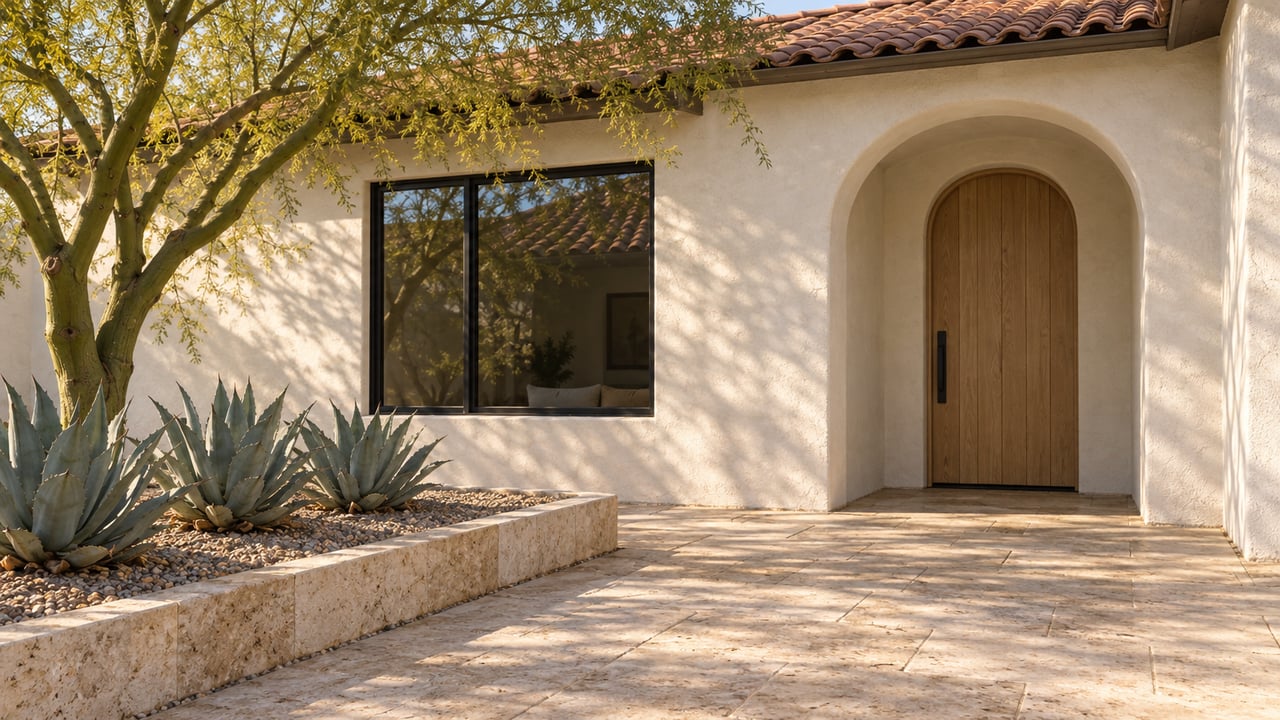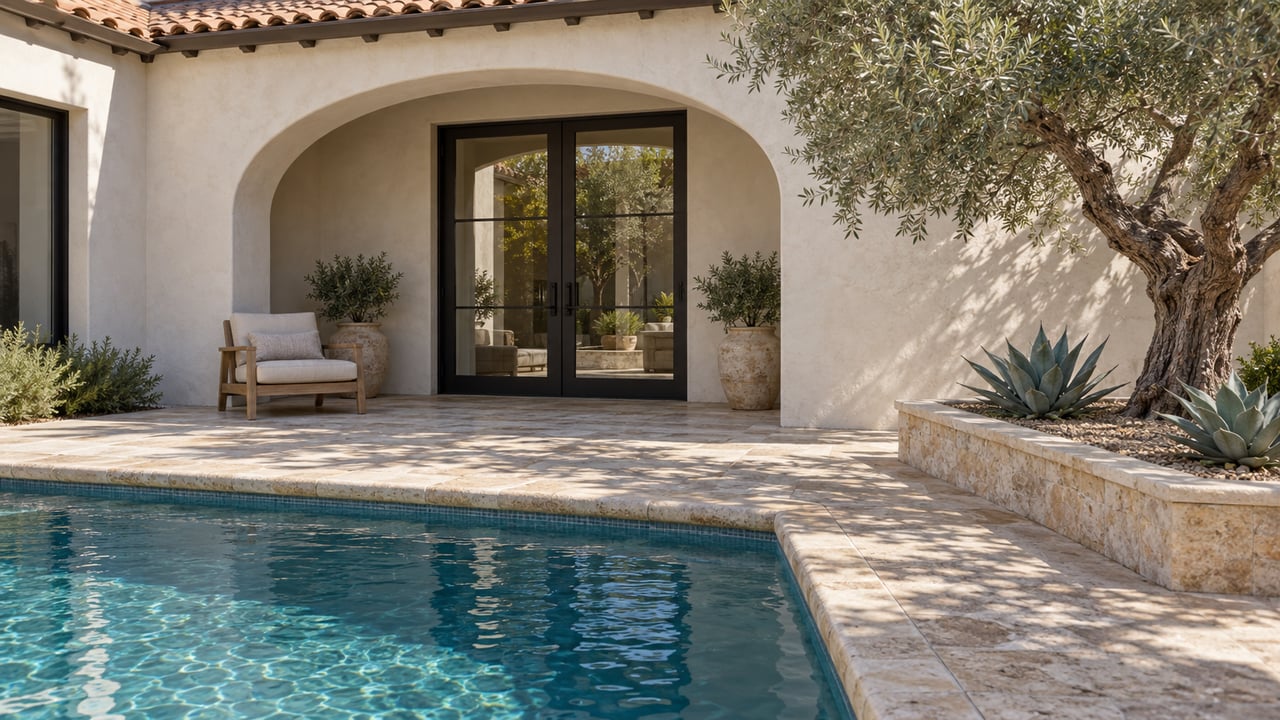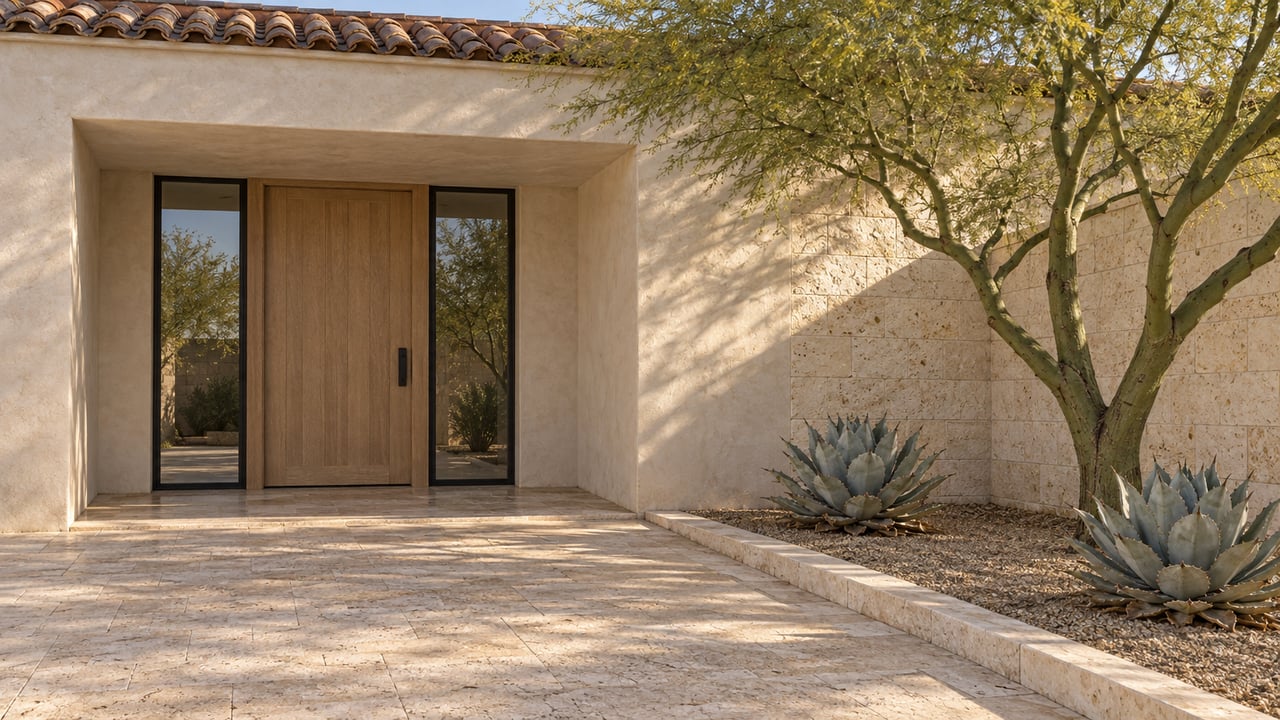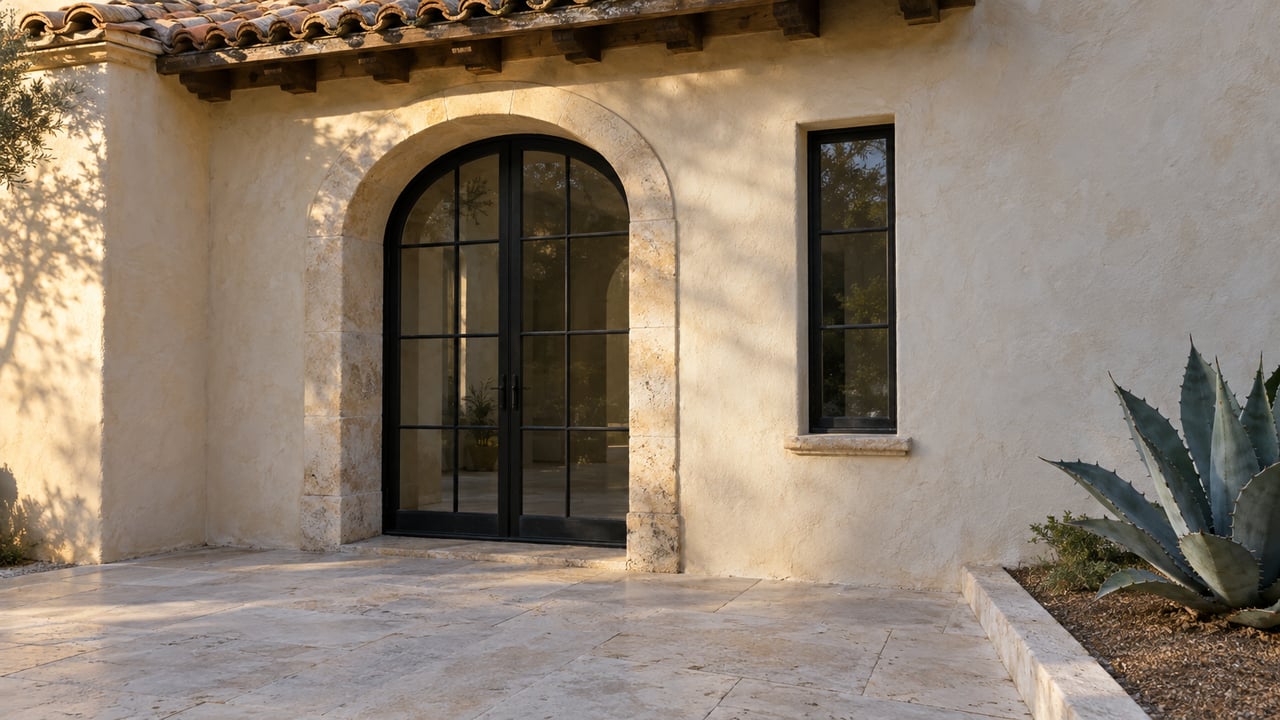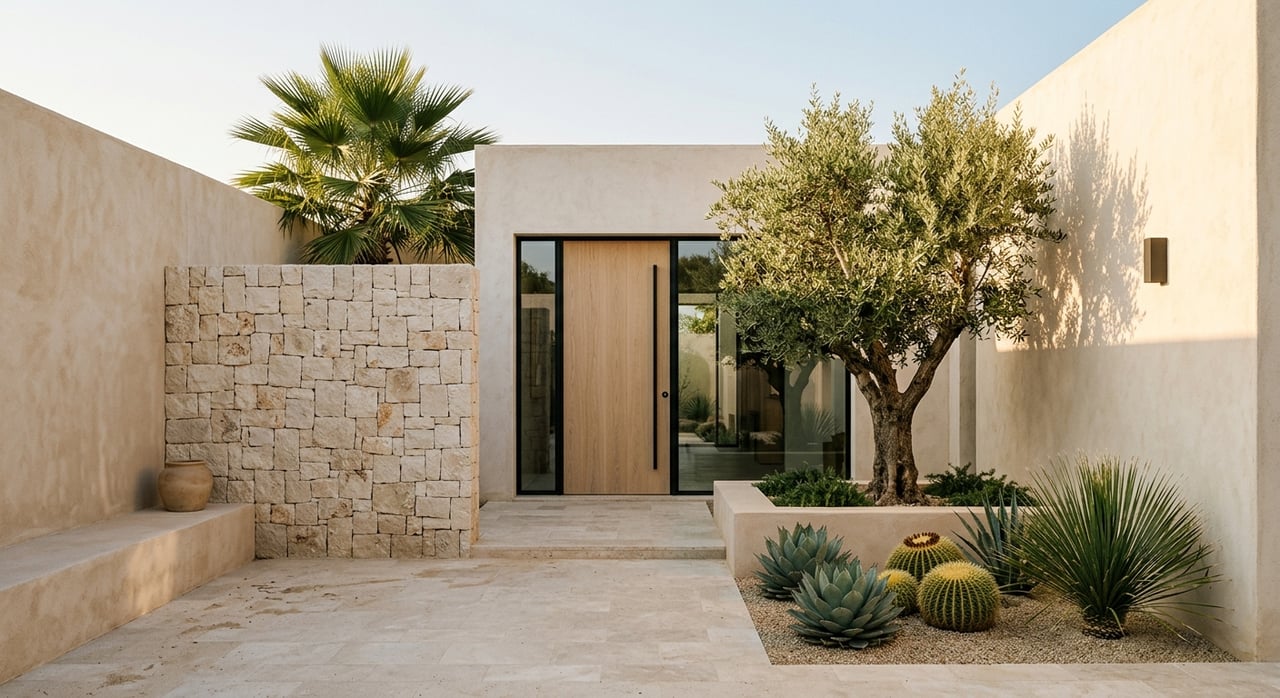
Wondering whether a gated community is the best fit in Paradise Valley? It is a smart question, but not always for the reason people expect. In a town already known for low-density living, privacy, and large estate settings, the real decision is often less about the gate itself and more about how you want daily life to feel. This guide will help you weigh the tradeoffs, compare gated and non-gated options, and focus on what matters most when you buy in Paradise Valley. Let’s dive in.
Paradise Valley living at a glance
Paradise Valley is a small residential town with a distinct character. According to Census QuickFacts, the estimated population was 12,251 as of July 1, 2025, across 15.38 square miles, with a population density of 823.0 people per square mile. The same data shows a 95.0% owner-occupied rate, a 2020 to 2024 median household income of $247,159, and median owner-occupied home values above $2,000,000.
That context matters because gated living here is usually not the entry point to luxury. Instead, it is often a lifestyle choice within an already high-end market. In Paradise Valley, buyers are usually comparing different versions of privacy, access, and neighborhood feel.
What gated living looks like here
Gated living in Paradise Valley is not one single product type. The Town’s gated-communities map includes names such as Casa Blanca Estates, Hidden Paradise, La Place du Sommet, Cheney Estates, Cheney Place, The Estates at Lincoln, The Preserve at Lincoln, Azure, Five Star, Montelucia, Mountain Shadow Resort, Mountain Shadow Resort 2, Ironwood at Camelback Country Club, Ironwood Golf Villas, Desert Jewel Estates, Las Brisas, and Via Vista.
That range tells you something important. Some gated communities feel like quiet estate enclaves, while others sit closer to resort or club settings. If you are picturing one universal “Paradise Valley gated lifestyle,” you may miss meaningful differences from one community to the next.
Why gates matter to some buyers
For many buyers, the main draw is controlled access. A gate can create a stronger sense of separation from the outside world and limit casual access onto interior streets. If that clear boundary helps you feel more at ease, gated living may be worth a closer look.
A gated setting can also support a calmer street experience in the right location. Paradise Valley’s General Plan notes the Town experiences pass-through and cut-through traffic, while many local roadways are intended for low speeds and no through traffic. In practice, an interior gated street may feel especially quiet.
Why a gate is not the whole story
A gate does not automatically create privacy. Paradise Valley’s planning framework places strong emphasis on privacy, quiet, dark skies, and public safety across the town, not just inside gated neighborhoods. The Town uses tools like setbacks, wall-height limits, screening, and low-density land use to help preserve that character.
That means a non-gated property can still feel very secluded. A large lot, strong landscaping, thoughtful screening, and the right street position may deliver the same sense of retreat some buyers expect only behind a gate.
Gated versus non-gated privacy
When you compare homes in Paradise Valley, it helps to think beyond labels. Instead of asking only whether a neighborhood is gated, ask how privacy is actually created.
A gated community may provide:
- Controlled entry
- A more defined sense of boundary
- Interior streets with less casual access
- A strong lock-and-leave appeal for some buyers
A non-gated Paradise Valley property may provide:
- Larger setbacks
- Mature screening and landscaping
- Fewer shared access points
- Privacy created by lot size and low-density surroundings
In other words, the better comparison is often controlled access versus design-based privacy. Both can work beautifully, depending on your priorities.
Traffic and street placement matter
One of the most overlooked parts of this decision is the road itself. Paradise Valley’s Mobility Element says the Town wants to discourage cut-through traffic and maintain its quiet, semi-rural character. That makes street hierarchy a big part of the living experience.
A non-gated home on a low-traffic local street may feel just as peaceful as a home inside a gate. On the other hand, a gated home near a busier edge or arterial may not feel as tucked away as you expect. When touring homes, pay attention to whether the property sits on a local street, near a collector, or close to a major roadway.
Amenities can shape the lifestyle
Not every gated community serves the same kind of buyer. Some are tied to resort or country-club contexts, while others are more purely residential. That can change the day-to-day atmosphere in a meaningful way.
If you want a more social or amenity-forward experience, you may prefer a community connected to golf, resort uses, or shared lifestyle features. If you want maximum quiet and fewer shared touchpoints, a smaller estate-style enclave may feel more aligned.
Neither option is better across the board. The right fit depends on whether you want your home to feel more like a private retreat, a lock-and-leave base, or a property with built-in social and recreational context.
Convenience is the main tradeoff
For many buyers, convenience is where gated living becomes more nuanced. Controlled access can add steps for guests, deliveries, contractors, rideshare drivers, and recurring service providers. That does not mean it is a problem, but it does affect the rhythm of daily life.
There can also be more rules. Paradise Valley’s permit materials treat gates as part of fence and site-wall permitting, and the process may involve HOA acknowledgement. The zoning code also addresses walls, gates, and fences, including special relief language for some hillside situations.
If you value easy access for frequent visitors or service teams, this is worth discussing before you fall in love with a property. A beautiful gate can be a plus, but only if the access setup fits the way you actually live.
How to evaluate a gated community
The best way to shop Paradise Valley is to compare the lived experience, not just the marketing label. A community name can suggest a certain lifestyle, but the real fit comes down to details.
Use this checklist as you tour homes:
- What type of gate or access control is in place?
- Is the home on an interior local street or near a busier roadway?
- Is privacy created by the gate, the lot, the landscaping, or all three?
- Are there shared amenities, and do you want them?
- Is the community governed by HOA rules or architectural guidelines?
- If you want to change entry features later, what approvals would be required?
- Is the property affected by any special town considerations, including hillside conditions?
These questions help you move from broad impressions to practical clarity. In Paradise Valley, that is often where the right choice becomes obvious.
When gated living may be right for you
Gated living may be a strong fit if you want a clearer sense of arrival, controlled access, and a neighborhood environment with more defined boundaries. It can also make sense if you prefer a lock-and-leave lifestyle or want a community that feels more contained.
It may also suit you if you are drawn to specific resort- or club-adjacent settings. In those cases, the gate is only one part of the experience, but it may complement the lifestyle you want.
When non-gated may fit better
A non-gated home may be the better choice if you care more about lot size, setbacks, landscaping, and quiet street placement than formal entry control. In Paradise Valley, those features can deliver a high level of privacy without the extra access friction.
You may also prefer non-gated living if you expect frequent visitors, service providers, or deliveries and want the simplest daily flow. For some buyers, that blend of openness and seclusion feels more natural.
The bottom line for Paradise Valley buyers
Paradise Valley is already built around low-density residential living, open space, privacy, and a quieter pace. That is why the gated question here is more refined than in many other luxury markets. The smartest choice usually comes down to how a home handles access, privacy, traffic, and convenience on a daily basis.
If you are comparing gated and non-gated options in Paradise Valley, focus on the feel of the street, the way privacy is created, and whether the community matches your lifestyle goals. If you want help weighing those details property by property, Billie Drury can help you narrow the search with local insight and thoughtful guidance.
FAQs
Is gated living in Paradise Valley more private than non-gated living?
- Not always. In Paradise Valley, privacy can also come from larger setbacks, screening, wall-height controls, and low-density lot patterns.
Are non-gated Paradise Valley neighborhoods busier?
- No. Many local streets are intended to carry no through traffic, so road location can matter as much as whether a gate is present.
Do all Paradise Valley gated communities feel the same?
- No. The Town’s map shows a mix of estate enclaves, club-adjacent communities, and resort-oriented settings.
What should you verify before buying in a Paradise Valley gated community?
- Review guest access procedures, HOA rules, architectural guidelines, and any Town permit requirements for future gate or wall changes.
Is a gated home in Paradise Valley better for a lock-and-leave lifestyle?
- It can be, depending on the community and your preferences, because controlled access may appeal to buyers who want a more contained day-to-day environment.