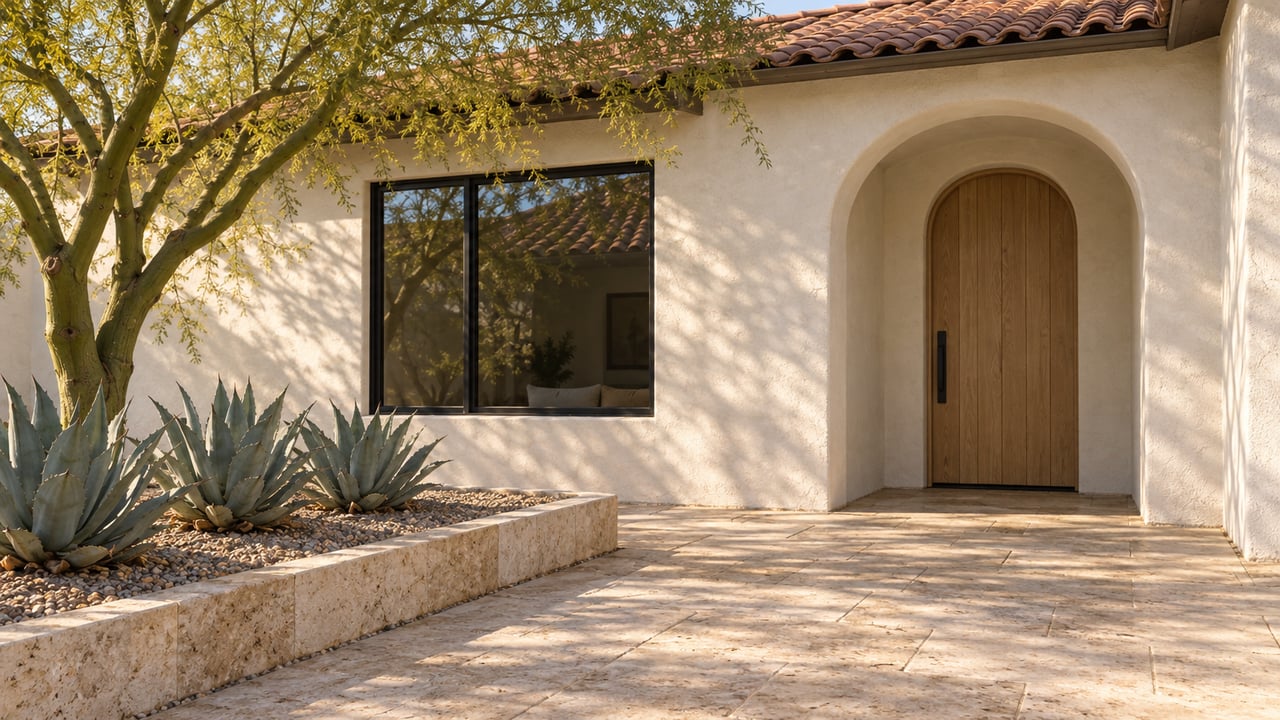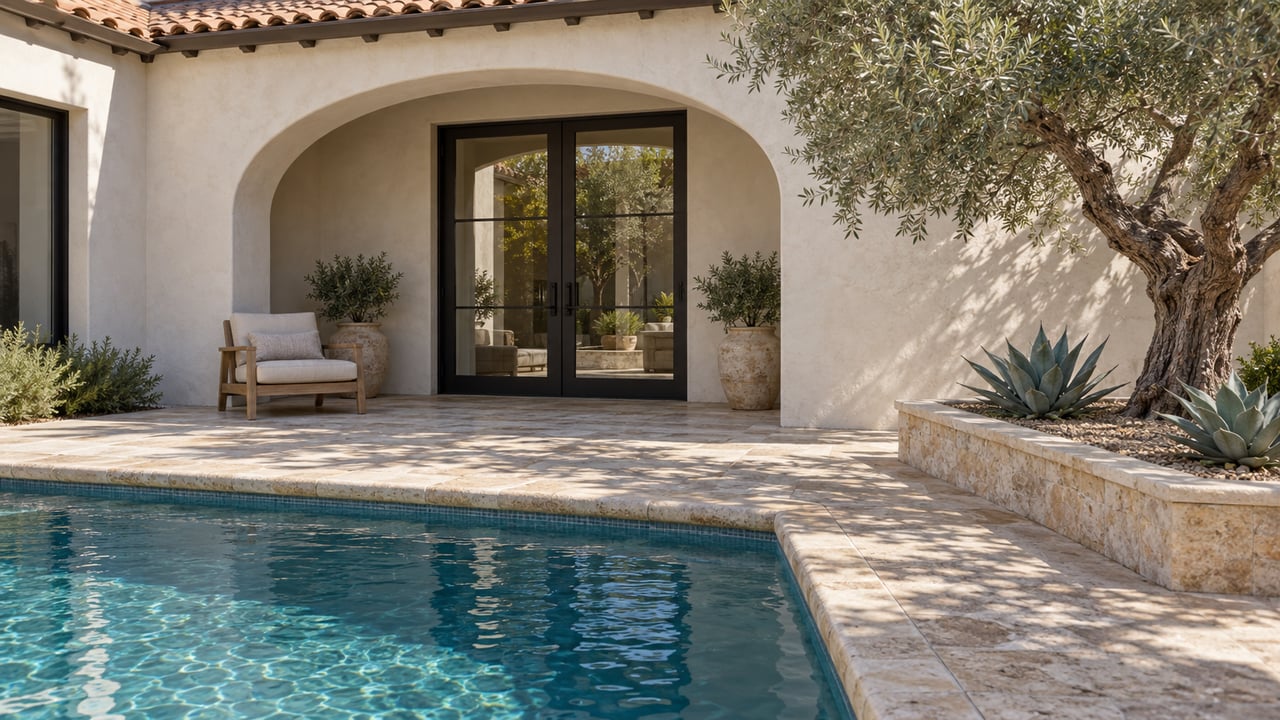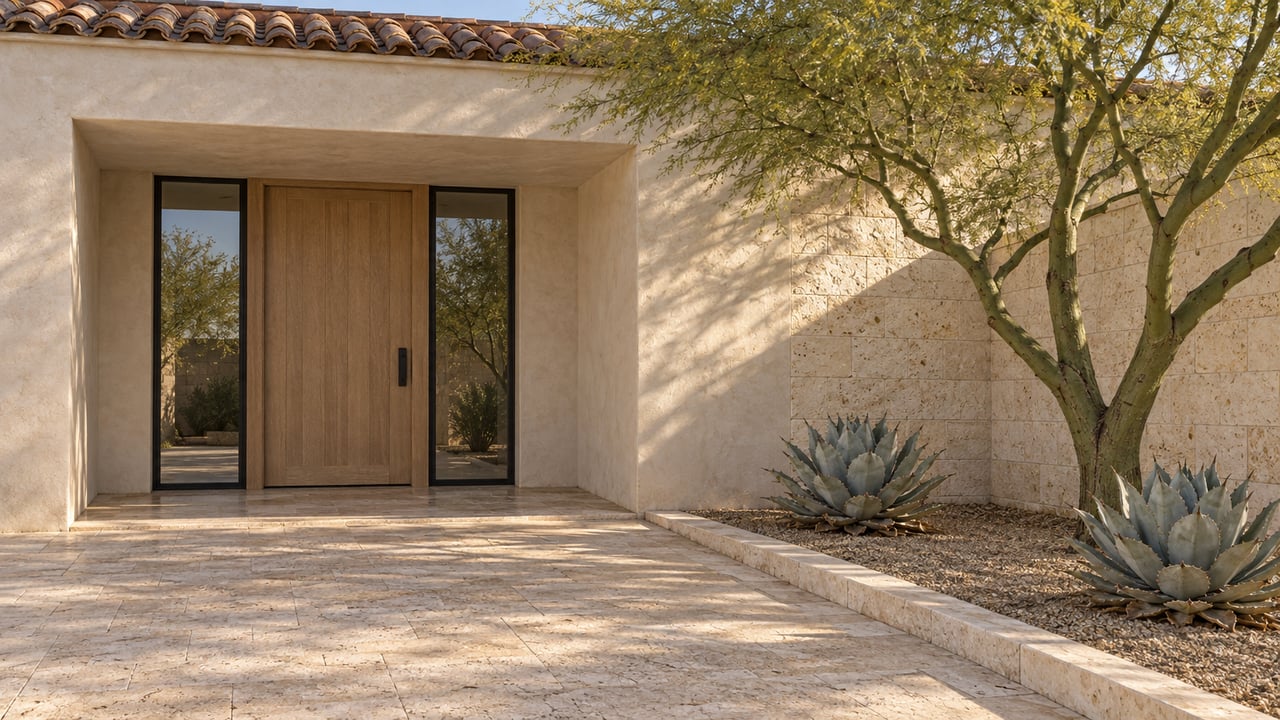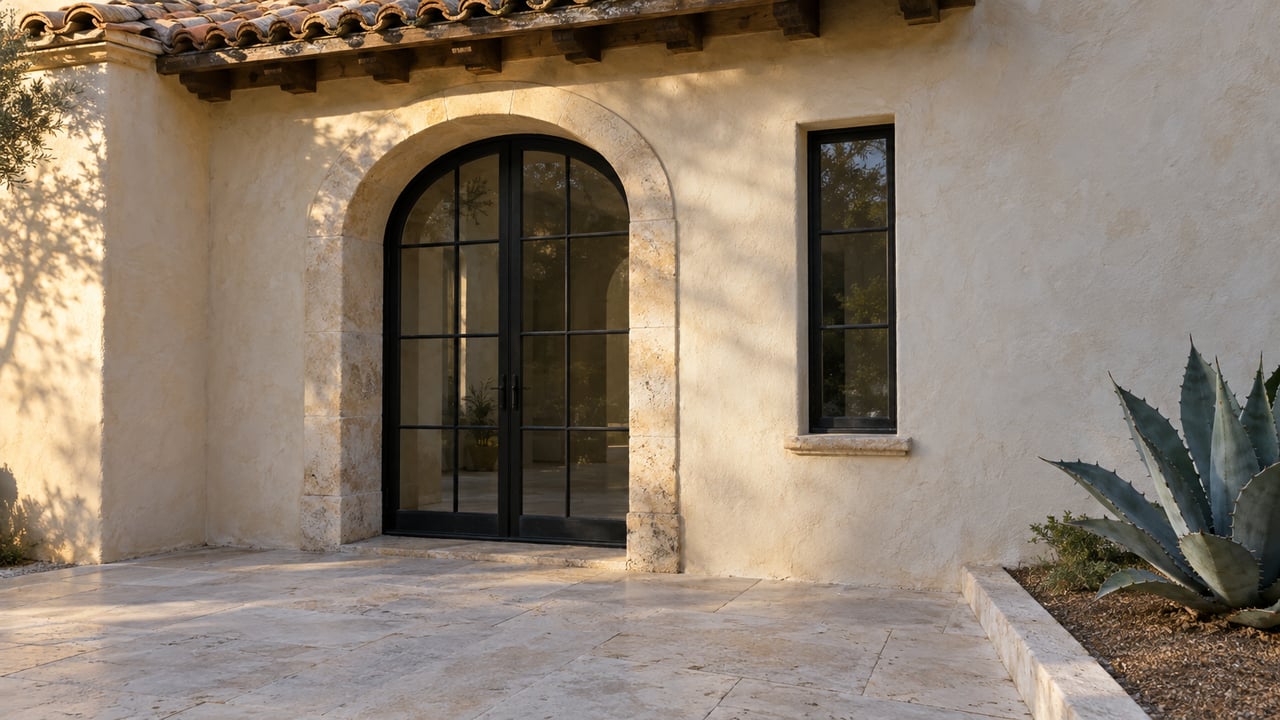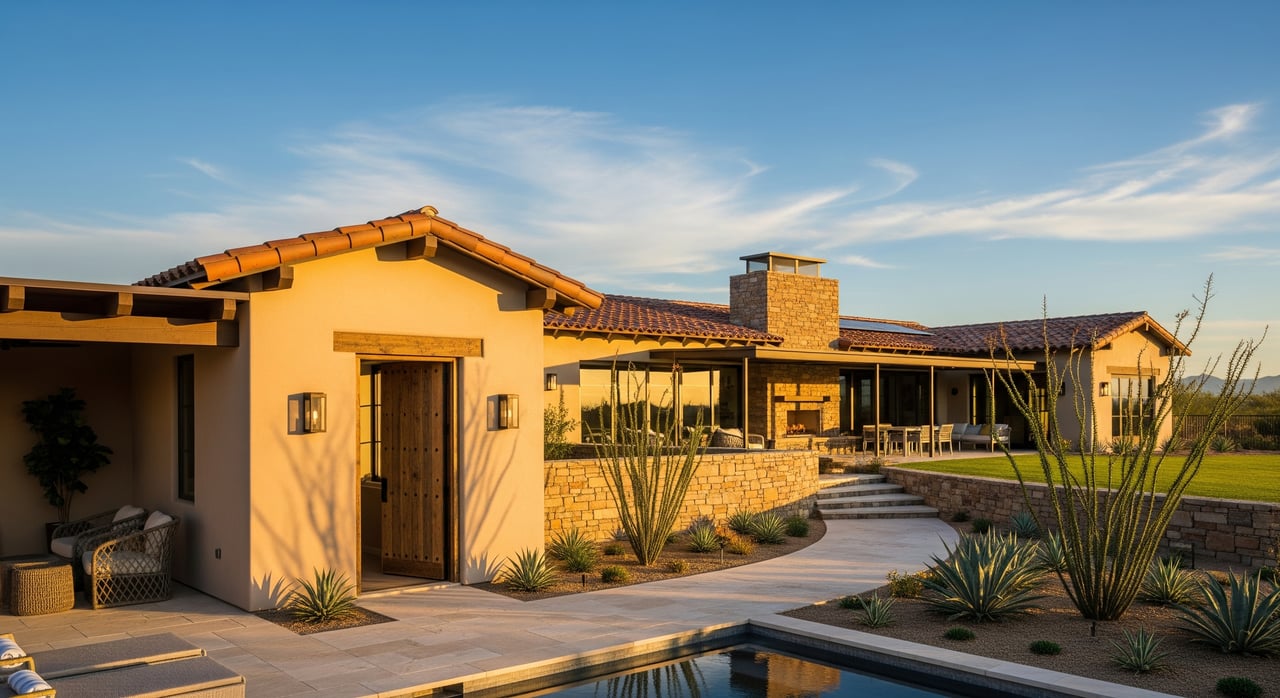
Seeing casita and guest house used interchangeably in Paradise Valley listings? You are not alone. These terms carry different expectations for privacy, amenities, and permits, which can shape both lifestyle and resale. In this guide, you will learn what each term typically means locally, how these spaces are used, what impacts value, and how to verify status with the Town before you buy or sell. Let’s dive in.
Paradise Valley casita vs. guest house
What “casita” typically means
In the Phoenix luxury market, a casita usually refers to a smaller, detached suite on the same parcel as the main home. You will often see a private entrance and a dedicated bathroom. Some casitas include a kitchenette, while others are designed as a bedroom and bath with a lounge or sitting area. The emphasis is on privacy and high finish, not necessarily a full second residence.
What “guest house” typically means
A guest house is commonly a larger detached dwelling that functions more like an independent home. It may include a full kitchen, living room, bedroom or multiple bedrooms, and full utilities. In luxury listings, a guest house is sometimes presented as a true secondary residence on the estate.
Where the terms overlap
The same structure might be called a casita in marketing and a guest house by an owner. The Town may classify both as accessory structures. What matters most is how the space functions. If it has cooking facilities, sleeping areas, a bathroom, and permanent heating or cooling, it may be treated as a dwelling for zoning and permitting. Labels are secondary to features and use.
Why the label matters for you
Market perception and buyer expectations
“Casita” suggests privacy, guest comfort, and a hotel‑like feel. “Guest house” suggests independence and longer stays. Clear language helps set realistic expectations for amenities and opens your property to the widest audience of qualified buyers.
Regulations, permits, and utilities
Town code and permitting often focus on function, not marketing language. The presence of a kitchen, plumbing, and sleeping facilities can shift a building from an accessory structure to a dwelling, with different requirements. Reviewing the Paradise Valley municipal code and contacting Town staff can help you confirm how a structure should be treated for zoning, permits, and utilities. If a unit has separate meters or an independent address, that can also affect how it is handled in a transaction.
Common use cases in Paradise Valley
- Guest accommodations for visiting family and friends
- Multi‑generational living or in‑law suites with optional food prep
- Estate staff or caretaker quarters
- Detached home office, studio, or creative space
- Wellness and fitness rooms near the pool or yard
- Pool house or outdoor entertaining hub with bath and lounge
- Long‑term rental income, where allowed by local rules and HOA
- Storage or mechanical space for non‑habitable uses
High‑end buyers in Paradise Valley often value privacy and quality finishes in these spaces. A fully equipped detached living unit can broaden the buyer pool if it is properly permitted and documented.
Livability and resale impact
Benefits that add daily value
- Privacy for guests, caregivers, or staff with separate entry
- Flexibility over time as needs evolve, such as converting to an office
- Strong indoor‑outdoor living when sited near pool and lounge areas
- Ground‑level living that can support long‑term accessibility
Potential drawbacks to weigh
- Reduced yard or interrupted view corridors if placement is not ideal
- Activity or noise if used for frequent guest turnover
- Added maintenance for separate HVAC, plumbing, and landscaping
Value drivers at resale
- Proper permits and final inspections that align with current use
- High‑quality finishes and independent amenities, like a bathroom and kitchenette
- Site planning that preserves privacy and prime outdoor areas
- Fit with Paradise Valley buyer demand, including multi‑gen and staff needs
Unpermitted conversions can complicate financing and appraisals. Appraisers and lenders typically rely on code‑compliant, permitted space when determining value. Clean documentation reduces friction, helps buyers feel confident, and protects your timeline.
Due diligence checklist before you buy or sell
Use this quick reference to surface issues early and avoid surprises:
- Verify permits and final inspections for any detached habitable structure.
- Confirm whether a kitchen was permitted and whether the unit is classified as a dwelling.
- Check utility setup. Note separate meters and whether the unit connects to sewer or septic.
- Review zoning to see if a second dwelling or accessory use is allowed on the lot.
- Research lot coverage, setbacks, height, and how many structures are permitted.
- Ask whether the unit has a separate address assigned by the Town or County.
- Review tax records and how the structure appears in assessments and parcel data.
- Check HOA or CC&Rs for any limits on additional dwellings or rentals.
- If used as a short‑term rental, request documentation of licensing and tax compliance.
- Confirm there are no open permits or code violations tied to the structure.
Permits, zoning, and where to verify
Start with the Town of Paradise Valley website for department contacts and development information. For definitions and accessory use rules, consult the Paradise Valley municipal code. If you need parcel‑level information on recorded improvements and assessments, use the Maricopa County Assessor property search.
Town Planning and Building staff can clarify whether your property’s zoning allows a detached dwelling, what triggers a dwelling classification, and which inspections or final approvals are required. If you are planning a new build or a conversion, ask about lot coverage, setbacks, height, drainage, and desert landscaping considerations. Early coordination helps you plan timelines and budgets with fewer surprises.
Short‑term rental and HOA considerations
Rules for short‑term rentals can change and often differ by municipality and community. Before marketing a detached unit for short‑term use, check the Town of Paradise Valley website for current regulations and confirm your HOA or CC&Rs. If a unit has operated as a short‑term rental in the past, gather any licensing, tax remittance, and compliance records to share with buyers.
Design and planning tips for future changes
If you plan to add or upgrade a casita or guest house, think about:
- Location and siting to preserve views, privacy, and outdoor living
- Infrastructure costs to extend water, sewer, gas, and electrical
- Appropriate ventilation, egress, and life safety features for habitable space
- Sound, lighting, and landscape screening for neighbor and resident comfort
- Accessibility considerations that support long‑term use
Thoughtful planning produces a detached space that enhances livability today and supports resale goals tomorrow.
Work with a team that knows Paradise Valley
Detached living spaces are a hallmark of Paradise Valley estates, and the details matter. You deserve guidance that blends neighborhood expertise with disciplined due diligence. Our team helps you position a casita or guest house as a true asset, from verifying documentation to crafting marketing that speaks to the right buyers.
If you are evaluating a property with a detached unit or preparing to sell, let’s talk strategy. Connect with Billie Drury to get a clear plan for value, timing, and next steps that fit your goals.
FAQs
In Paradise Valley, what is the difference between a casita and a guest house?
- A casita is usually a smaller detached suite focused on privacy and comfort, while a guest house is often a larger detached dwelling with a full kitchen and living areas; Town treatment depends on features and permits rather than the label.
How do I confirm if a detached unit is permitted as a dwelling in Paradise Valley?
- Check permit history and final inspections with the Town, review the Paradise Valley municipal code, and verify parcel records with the Maricopa County Assessor.
Do kitchens or separate meters change how the Town classifies a casita or guest house?
- Yes, cooking facilities, sleeping areas, bathrooms, permanent HVAC, and separate meters can indicate a dwelling classification, which affects zoning, permits, and utility setup.
Can I rent my casita or guest house short‑term in Paradise Valley?
- It depends on Town regulations and your HOA or CC&Rs; review current rules on the Town of Paradise Valley website and confirm community restrictions before marketing the unit.
Will a detached living unit increase my property taxes?
- Adding permitted habitable space can impact assessed value; review your parcel records with the Maricopa County Assessor and compare how similar properties are recorded.
How do detached living spaces affect resale value in Paradise Valley?
- Properly permitted, well‑finished, and well‑sited units that complement outdoor living and privacy can expand your buyer pool and support value, while unpermitted conversions may create appraisal and financing challenges.